Why Christmas Patterns and Borders Are More Than Just Holiday Decor
Every year, as the calendar inches toward December, certain visuals start to appear everywhere. Snowflakes on coffee cups, reindeer silhouettes on wrapping paper, holly leaves framing newsletters, and candy cane stripes on social media graphics. We call these Christmas patterns and borders, and most people treat them as simple decoration. But there is a much deeper story behind these designs. They connect us to centuries of tradition, influence modern branding strategies, support creative industries, and even affect how we feel during the holiday season. Understanding them can change the way you see every greeting card, website banner, and storefront window.
What Are Christmas Patterns and Borders?
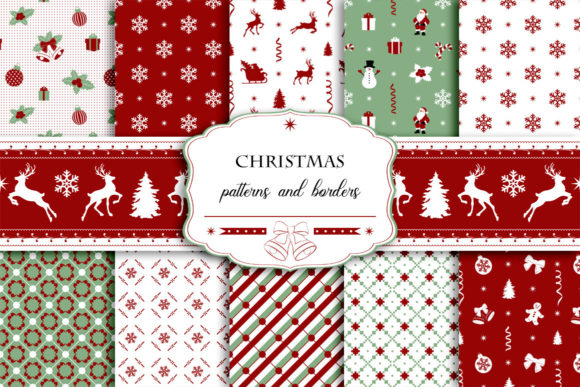
At their simplest, Christmas patterns are repeating designs that feature holiday-related imagery. Borders are similar but serve as frames or edges that contain other content. Common elements include:
- Natural winter motifs: Snowflakes, icicles, evergreen branches, pine cones, and holly berries.
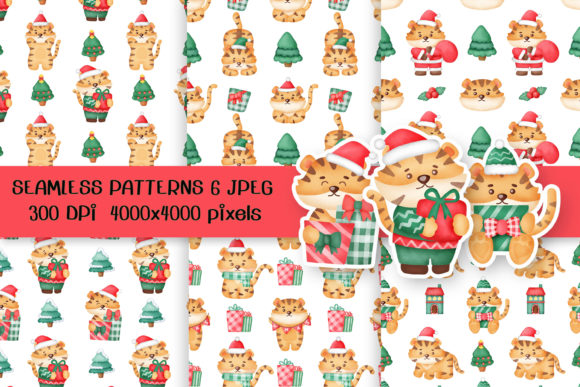
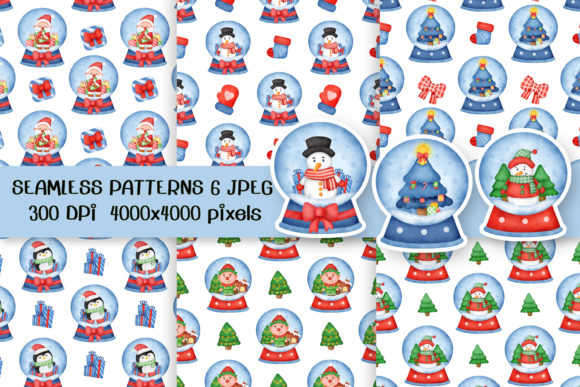
- Character-driven icons: Santa Claus, reindeer, snowmen, elves, and penguins wearing scarves.
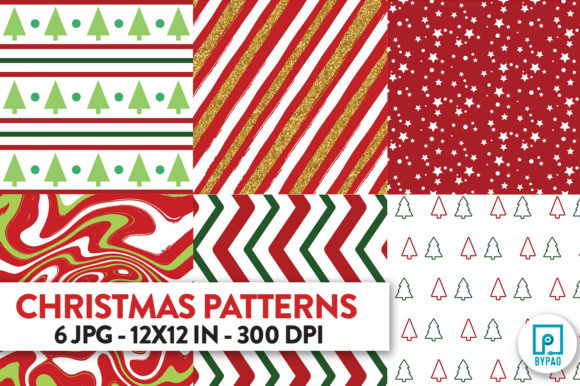
- Symbolic objects: Ornaments, gift boxes, candy canes, bells, stars, and stockings.
- Geometric traditions: Plaid, fair isle knitting patterns, and Scandinavian-inspired repeating shapes.
- Religious imagery: Nativity scenes, angels, and the Star of Bethlehem.
Patterns repeat across a surface, whether that is fabric, wrapping paper, a digital background, or a printed flyer. Borders usually follow the edge of a page, a text box, or a certificate. Together, they create visual cohesion and instantly signal that something is related to the Christmas season. But their function goes far beyond simply marking a date on the calendar.
The Historical Roots of Holiday Visuals
Before mass printing and digital design, Christmas imagery evolved slowly through folk art and religious tradition. Evergreen plants like holly, ivy, and mistletoe were used in winter celebrations long before Christianity arrived in Europe. Pagan cultures brought greenery indoors during the darkest days of winter as symbols of life and resilience. Over time, Christian traditions absorbed these elements, giving them new meanings tied to the holiday.
The Victorian era in the 19th century transformed Christmas visuals dramatically. With the rise of commercial printing, illustrated Christmas cards became popular. Borders of ivy and robins framed sentimental messages. Repeating patterns appeared on newly invented wrapping papers. The Penny Post made cards affordable, and suddenly everyone wanted beautifully bordered holiday greetings. This period cemented the visual language we still use today. Santa’s red suit, the holly wreath, and the snowy landscape all became firmly embedded in Western culture through these early printed designs.
Why These Designs Matter in Modern Life
You might think Christmas patterns and borders are just decorative afterthoughts. In reality, they serve several important roles across different areas of life.
1. Instant Emotional Communication
Designers know that patterns communicate quickly. A border of candy canes around a menu immediately says “holiday special” without a single word. A repeating snowflake pattern on a website header tells visitors the brand is celebrating the season. This visual shorthand works because our brains are trained to recognize these symbols and connect them with feelings of warmth, nostalgia, and generosity. Marketing professionals rely on this emotional shortcut every year.
2. Brand Identity and Seasonal Marketing
Small businesses and global corporations alike integrate Christmas borders into their seasonal branding. A coffee chain might wrap its cups in a pattern of illustrated gifts and snowflakes. A boutique might add a border of winter florals to its email newsletters. Even tech companies that have nothing to do with physical products will often update app icons, loading screens, and social media profiles with subtle holiday borders. This practice humanizes the brand and creates a timely connection with audiences who expect to see seasonal recognition.
3. Education and Classroom Engagement
Teachers from preschool through elementary grades use Christmas patterns and borders extensively. Worksheets decorated with holiday borders keep children engaged. Bulletin boards framed with paper snowflake chains or printed holly patterns turn even mundane announcements into something festive. Art classes explore pattern making by having students create their own repeating holiday designs, teaching symmetry, color theory, and cultural awareness. The patterns are not just decoration; they are teaching tools.
4. Crafting and Creative Expression
The rise of home crafting has created a huge demand for digital Christmas patterns and borders. Scrapbookers use them as background papers or photo frame edges. Cricut and Silhouette machine users import border designs for vinyl decals and iron-on projects. Quilters adapt traditional patterns like the Christmas star or log cabin in festive colors. Knitters incorporate fair isle motifs into sweaters. In every creative field, these designs give people a way to participate in the season actively, not just passively.
Digital Design and the Evolution of Christmas Borders
What started as hand-painted manuscript illuminations and woodblock prints has become a thriving digital ecosystem. Today, millions of Christmas patterns and borders are available for download, both free and paid. Websites like Creative Market, Etsy, and Freepik host thousands of designers who specialize in holiday graphics. The shift to digital has democratized design in several ways.
First, it allows non-designers to create polished holiday materials. A church volunteer with no formal training can download a nativity border for the Christmas service program. A small business owner can purchase a set of festive patterns to use on social media posts. The barrier to professional-looking design has dropped significantly.
Second, digital tools have expanded the variety of styles available. Beyond traditional Victorian or folk styles, you can now find minimalist geometric patterns, watercolor botanical borders, retro mid-century designs, and even irreverent or humorous patterns featuring dinosaurs in Santa hats or cats tangled in fairy lights. The definition of what counts as a Christmas pattern has broadened, reflecting more diverse tastes and cultures.
Common Misconceptions About Holiday Patterns
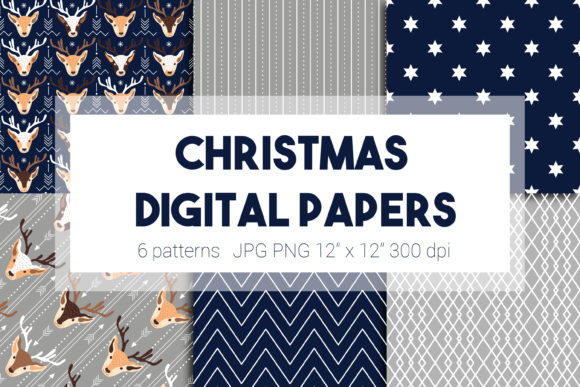
One common assumption is that all Christmas patterns are traditional and unchanging. In reality, trends shift annually. Pantone color predictions influence the palette of new holiday designs. Minimalist aesthetics have pushed out some of the busier Victorian styles. Scandinavian folk patterns with clean lines and restrained color schemes have surged in popularity in recent years.
Another misunderstanding is that Christmas borders are only relevant in religious or explicitly festive contexts. Modern businesses often use more abstract or subtle winter patterns to acknowledge the season without being exclusionary. Snowflakes, geometric stars, and silver branches work for a broader audience while maintaining a seasonal feel. Good designers understand this nuance and choose patterns carefully based on the audience and context.
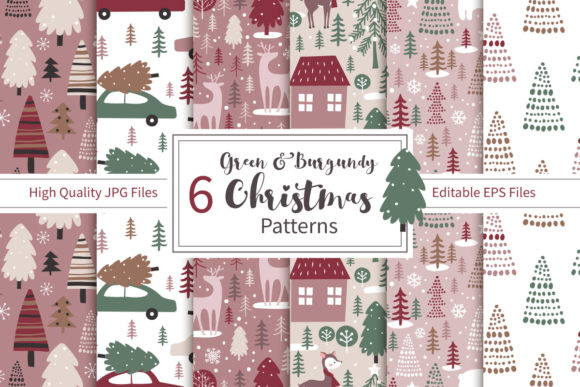
Some people also assume that using Christmas patterns means being limited to red and green. While those colors dominate historically, contemporary designs explore an enormous range. Blush pink and rose gold, deep navy and silver, kraft paper browns with cream accents, and even black backgrounds with neon highlights have all appeared in recent holiday collections. The emotional warmth of the season can be expressed through many color combinations.
Practical Ways to Use Christmas Patterns and Borders
Whether you are a complete beginner or an experienced designer, there are countless ways to incorporate these elements into your projects. Here are some practical examples:
- Printed invitations and greeting cards: A festive border frames the text and sets the tone before the recipient reads a single word.
- Gift wrapping and tags: Custom-printed patterns on brown kraft paper add a personal touch that mass-produced wrapping often lacks.
- Digital newsletters and email signatures: A subtle holly border or snowflake divider keeps your communications seasonal without overwhelming the message.
- Home decor prints: Many people frame pattern-based art during the holidays, switching out everyday pieces for seasonal alternatives.
- Table settings and menus: Printed menus with decorative borders elevate a family dinner or restaurant experience.
- Social media posts and stories: Consistent use of a border or pattern series creates a cohesive branded look across platforms.
What Makes a Great Christmas Border or Pattern?
Good seasonal design follows principles that apply to all visual work but with specific holiday considerations. The best patterns have rhythm and balance. They avoid being so busy that they distract from the content they frame. A border on a certificate, for example, should enhance the text, not compete with it. The scale of the pattern matters too. A repeated motif that is too large can feel clunky; one that is too small becomes visual noise.
Color choice remains a defining factor. Traditional palettes evoke nostalgia, but designers are increasingly mixing unexpected colors to stand out. A Christmas market flyer might use a deep plum and gold border to suggest luxury and warmth rather than the expected red and green.
Cultural sensitivity has also become important. Not everyone celebrates Christmas in the same way, and many people celebrate other winter holidays. Designers who create borders for diverse audiences often lean on non-religious winter imagery such as snow scenes, stars, and seasonal flora that cross cultural boundaries.
The Cultural and Commercial Significance
Entire industries shift into holiday gear each year, and Christmas patterns are a huge part of that transformation. Retail packaging, advertising campaigns, window displays, and e-commerce websites all undergo a visual overhaul. The patterns serve as a signal that the season has changed and that special experiences are available. This is not accidental. Retailers invest heavily in seasonal design because it measurably increases consumer engagement and spending.
On the cultural side, these patterns create a sense of shared experience. When neighbors hang wreaths with similar evergreen borders or schools display student artwork framed with paper chains, communities bond over visual tradition. The sight of familiar patterns tells us we are part of something collective. In an increasingly digital and fragmented world, that sense of shared rhythm through seasonal imagery is quietly powerful.
Looking to the Future of Holiday Patterns
Christmas patterns and borders will continue to evolve. Augmented reality filters now overlay festive patterns onto real-world scenes. Animated borders appear in digital greeting cards and e-invites. AI-generated pattern tools let anyone describe a design idea and watch it materialize. But no matter the technology, the core purpose remains. These designs help us mark time, communicate emotions, and beautify the spaces and objects around us during a season that means different things to different people.
Understanding the deeper context of Christmas patterns and borders opens up a richer appreciation for the details that surround us every December. Next time you see a sprig of holly repeated along a banner or a row of snowmen framing a holiday flyer, you will recognize not just a decoration but a piece of living history, a tool of modern commerce, and a small thread in the fabric of shared cultural celebration.