The Enduring Charm of Watercolor Christmas Seamless Patterns: A Complete Guide
Every year, as the holiday season approaches, designers, crafters, and business owners face the same delightful challenge: how to capture the warmth, nostalgia, and magic of Christmas in their visual projects. Among the many design choices available, watercolor Christmas seamless patterns have emerged as one of the most beloved and versatile solutions. These digital or hand-painted repeating designs combine the soft, organic feel of watercolor art with the practical functionality of seamless tiling. Whether you are wrapping gifts, designing holiday cards, building a website, or creating custom fabric, understanding these patterns opens up a world of creative possibility. This article explores what they are, why they matter, and how you can use them effectively in both personal and professional contexts.
What Exactly Are Watercolor Christmas Seamless Patterns?
At their core, watercolor Christmas seamless patterns are repeating decorative designs that feature holiday-themed imagery rendered in a watercolor style. The term seamless refers to the way the pattern repeats—when you tile the image horizontally or vertically, the edges blend invisibly, creating a continuous, uninterrupted flow. This technical quality makes them ideal for covering large surfaces without obvious breaks or awkward borders.
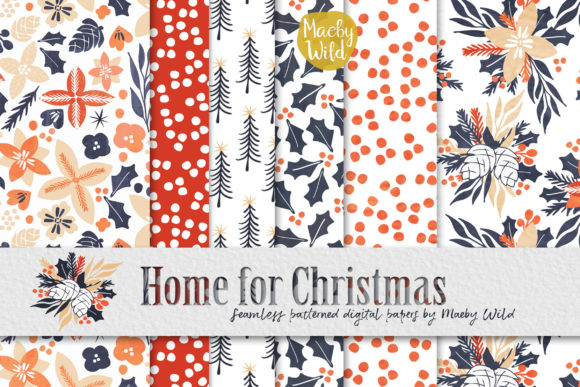
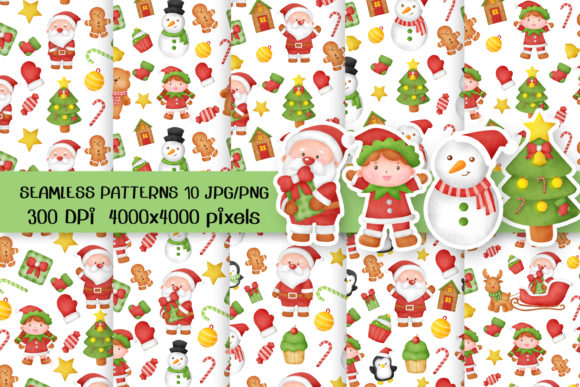
The subject matter typically includes classic Christmas motifs: evergreen branches, holly berries, snowflakes, ornaments, candy canes, poinsettias, reindeer, gingerbread shapes, and winter botanicals. What sets watercolor versions apart is the medium itself. Unlike flat vector illustrations or crisp digital graphics, watercolor patterns carry the subtle imperfections of real paint—soft color washes, gentle gradients, pigment blooms, and delicate transparency effects. These qualities give the patterns a handcrafted, artisanal feel that resonates deeply with audiences seeking authenticity in a mass-produced world.
These patterns exist primarily as digital files, often sold as high-resolution JPEGs, PNGs, or layered PSDs on platforms like Creative Market, Etsy, and independent artist shops. Some artists also create physical versions on paper, which are then scanned and digitized for wider use. The digital nature of modern seamless patterns means they can be applied to virtually any surface or product imaginable.
Why Watercolor Brings Something Special to Holiday Design
Watercolor as a medium has a unique emotional language. Its fluid, unpredictable nature evokes a sense of gentleness, nostalgia, and organic beauty that aligns perfectly with the spirit of Christmas. Think about the memories many people associate with the holidays: hand-written cards, cozy evenings by the fire, natural evergreens, and soft winter light. Watercolor patterns capture these intangible qualities in visual form.
From a design perspective, watercolor offers textures that purely digital art struggles to replicate. The way pigment pools at the edges of a painted leaf, the slight bleeding of one color into another, the granulation that creates subtle speckles—these details add depth and interest. When applied to seamless patterns, these characteristics prevent the design from feeling sterile or overly repetitive. Even though the pattern repeats, the organic variations within each tile keep the eye engaged.
Additionally, watercolor Christmas patterns often use a restrained, sophisticated color palette. Instead of the harsh reds and greens of traditional holiday graphics, you might find muted burgundies, sage greens, dusty blues, and warm creams. This makes the patterns suitable for projects where elegance is desired, such as wedding invitations, luxury packaging, or minimalist home décor. At the same time, brighter, more playful watercolor palettes exist for children's products and whimsical crafts. The range is remarkably broad.
Understanding How Seamless Patterns Actually Work
For those unfamiliar with the technical side, a seamless pattern is built so that the elements on one edge continue perfectly onto the opposite edge. Imagine drawing a branch that extends past the right side of your canvas; for the pattern to be seamless, that same branch must re-enter from the left side at the exact same vertical position and angle. When the tile repeats, the branch appears unbroken.
Artists achieve this through careful planning, often using digital tools like Adobe Photoshop or Illustrator alongside traditional painting. A common method involves painting individual elements by hand, scanning them at high resolution, and then arranging them digitally on a square canvas. The artist duplicates elements that touch an edge and shifts them to the opposite side to ensure continuity. They then fill the center with additional motifs, testing the repeat frequently to confirm nothing looks misaligned.
Some creators use specialized software like Procreate with its pattern-making features, or dedicated tools such as Repper and Patterninja. The technical skill required is significant, which is why well-crafted seamless patterns are valued as professional design assets. When you purchase a high-quality watercolor Christmas seamless pattern, you are paying for both the artistic talent of the watercolorist and the technical expertise of the pattern designer—often the same person wearing both hats.
Practical Uses Across Industries and Everyday Life
The applications for watercolor Christmas seamless patterns extend far beyond what many people initially assume. Here are some of the most common and impactful uses:
1. Print and Paper Goods
This is perhaps the most traditional application. Designers use these patterns to create holiday greeting cards, gift wrap, wrapping paper sheets, gift tags, and envelope liners. The seamless nature allows a single small file to cover an entire roll of wrapping paper, keeping production costs low while maintaining beautiful, high-resolution output. Scrapbookers and journal enthusiasts also use printed pattern papers for their holiday memory-keeping projects.
2. Fabric and Textiles
Thanks to print-on-demand services like Spoonflower, anyone can upload a seamless pattern and have it printed on fabric by the yard. This opens the door to custom Christmas pajamas, tablecloths, napkins, stockings, and quilts. Watercolor patterns excel on fabric because the organic texture complements the natural weave of cotton, linen, and other materials. The result is a cohesive, high-end look that feels anything but generic.
3. Digital Marketing and Web Design
Businesses use watercolor Christmas patterns as website backgrounds, social media post templates, email newsletter headers, and digital ad banners. A soft watercolor snowflake pattern behind a "Holiday Sale" announcement adds festive charm without overwhelming the message. Because the tiles repeat seamlessly, they load quickly as small image files while filling screens of any size gracefully. This technical efficiency combined with aesthetic appeal makes them a smart choice for digital branding during the holiday season.
4. Product Packaging and Branding
Small businesses, particularly those selling handmade or artisanal products, often use watercolor Christmas patterns on product labels, boxes, tissue paper, and shopping bags. A bakery might wrap its seasonal cookies in cellophane bags with a watercolor holly pattern insert card. A candle maker could design a label featuring a delicate watercolor wreath. These touches elevate the unboxing experience and reinforce brand identity during the critical holiday shopping period.
5. Home Décor and DIY Projects
From decoupage ornaments to custom-printed wallpaper panels, the possibilities for home décor are vast. Crafters use these patterns to line drawers, cover books, create coasters, and even make temporary wall art. The forgiving nature of watercolor means small imperfections in DIY application are less noticeable, making it a beginner-friendly choice for hands-on projects.
What Designers and Artists Love About Creating These Patterns
For the artists who produce them, watercolor Christmas seamless patterns represent a rewarding intersection of traditional artistry and digital problem-solving. Many describe the process as meditative—painting loose florals and festive botanicals with real brushes and pigment, then entering a focused digital workflow to arrange and perfect the repeat. The contrast keeps the creative process fresh.
There is also a strong community aspect. Artists share process videos on platforms like Instagram and TikTok, where viewers watch loose watercolor strokes transform into polished repeating patterns. This transparency builds trust and appreciation for the craft. Consumers who see the behind-the-scenes work are often more willing to pay for high-quality assets, understanding the hours of skill development involved.
From a business standpoint, Christmas patterns have reliable seasonal demand. Designers can create collections months in advance, knowing that clients and consumers will seek fresh holiday assets each year. This predictable cycle allows artists to plan their work and generate consistent income, making watercolor Christmas patterns a staple of many surface design portfolios.
Making Smart Choices: How to Select and Use Patterns Effectively
With thousands of options available, choosing the right watercolor Christmas seamless pattern can feel overwhelming. Here are practical considerations to guide your selection:
- Consider the scale. A large, bold pattern of poinsettias might work beautifully on a tablecloth but overwhelm a business card. Look for previews that show the pattern in context at different sizes.
- Evaluate the color palette. Does the pattern match your existing brand colors or home décor? Muted tones offer sophistication; bright hues bring energy and playfulness.
- Check the resolution. For print projects, aim for at least 300 DPI at the intended output size. Digital designs can work at 150 DPI or lower, but high resolution gives you more flexibility.
- Review the license terms. Many patterns come with restrictions on commercial use, print-on-demand, or resale. Always read the license before purchasing or downloading.
- Test the repeat. If you can, open the file and tile it manually to ensure the seams are genuinely invisible. Some low-quality patterns have visible lines or awkward gaps.
When applying the patterns, use design software that supports pattern fills. Adobe Photoshop, Illustrator, Canva Pro, and Affinity Designer all allow you to fill shapes and backgrounds with repeating patterns. This workflow saves tremendous time compared to manually copying and aligning tiles. For physical crafts, print a test page first to see how the colors and scale translate from screen to paper.
Clearing Up Common Misunderstandings
One frequent misconception is that "watercolor" patterns are always painted by hand. While many are indeed created from real paint on paper, some are entirely digital simulations made with watercolor-style brushes in programs like Procreate or Fresco. Both approaches can yield beautiful results, and neither is inherently superior. What matters is the final visual quality. If you value traditional artistry, look for artists who document their process and use terms like "hand-painted" in their descriptions.
Another misunderstanding is that seamless patterns are difficult to use without professional software. In reality, many online platforms now support pattern backgrounds natively. Canva, for example, allows users to upload a pattern file and apply it to any design canvas with one click. Similarly, e-commerce platforms like Shopify support background images that can be set to repeat. You do not need to be a graphic designer to benefit from these assets.
Finally, some people assume that because a pattern is seamless, it will look perfect at any size. In truth, extreme scaling can reveal pixelation or make the repeating elements look unnaturally large or small. Always scale proportionally and check your output at 100% zoom before finalizing a project.
The Technological Evolution Behind Modern Pattern Design
The world of watercolor Christmas seamless patterns exists at a fascinating crossroads of analog tradition and digital innovation. A generation ago, creating a repeating watercolor pattern for commercial use would have required painstaking manual layout, photographic reproduction, and offset printing. Today, an artist can paint a handful of sprigs at their kitchen table, scan them with a phone app, and build a professional-grade seamless repeat on a tablet within hours.
Artificial intelligence is beginning to play a role as well, though with important nuances. AI image generators can produce watercolor-style patterns, but they often struggle with true seamlessness and lack the intentional composition that human designers provide. For now, the most respected patterns in the marketplace are those created through genuine artistic effort, whether purely traditional, purely digital, or a hybrid of both. Consumers are increasingly savvy about spotting AI-generated art, and many prefer to support human creators whose stories and processes they can follow.
Print-on-demand technology has been equally transformative. Services like Printful, Zazzle, and Society6 allow independent artists to offer watercolor Christmas patterns on physical products—everything from mugs and ornaments to duvet covers and phone cases—without holding inventory. This democratization means consumers have access to a wider variety of unique holiday products than ever before, each featuring art that would have been difficult to produce at scale in the past.
Developing Your Eye for Quality and Detail
As you explore the world of watercolor Christmas seamless patterns, you will naturally begin to notice subtleties that distinguish exceptional work from the merely decent. Pay attention to how colors interact. In fine watercolor art, you often see colors blending into one another with soft edges, creating what artists call lost and found edges. Great pattern designers preserve these qualities even within the constraints of a repeating tile. Look also for thoughtful composition—motifs that are spaced in a balanced, rhythmic way without obvious clustering or empty zones.
Notice the transparency effects, too. Real watercolor lets light pass through the pigment and reflect off the paper beneath, creating a luminosity that opaque media cannot match. When this quality is preserved in a digital pattern, the result is uniquely dimensional. Some artists even include subtle paper textures in their scans, adding another layer of tactile authenticity.
Ultimately, the goal of understanding these patterns is not just to use them, but to appreciate the craft and intentionality behind them. Each seamless tile is a small world of holiday imagery, carefully constructed to bring beauty into the spaces where we live, work, and celebrate. Whether you are a business owner packaging holiday orders, a teacher creating festive classroom materials, or a parent adding a personal touch to your family's Christmas traditions, these patterns offer an accessible way to infuse the season with artistry and warmth.
In a world where so much is mass-produced and disposable, watercolor Christmas seamless patterns remind us of the value of handmade aesthetics and thoughtful design. They bridge the gap between traditional craft and modern convenience, giving everyone the tools to create something beautiful. As you incorporate them into your own projects, you become part of a creative tradition that values both art and connection—a perfect pairing for the holiday season.