Parrots and Tropical Flowers Patterns Explained
Walk through any design studio, browse a trending home decor collection, or scroll through a fashion brand's summer lookbook and you'll notice a recurring visual language—vivid plumage, oversized blooms, and lush botanical energy. Parrots and tropical flowers patterns have quietly become one of the most versatile motifs in contemporary visual culture. They're not just decorative. They carry emotional weight, cultural resonance, and a surprising amount of practical utility across industries.
What makes these patterns so compelling isn't simply their color saturation. It's the way they bridge the gap between escapism and sophistication. A well-executed parrot and tropical flowers pattern can feel simultaneously nostalgic and forward-looking, playful and polished. That duality explains why designers, marketers, and product developers keep returning to this aesthetic.
What Defines a Parrots and Tropical Flowers Pattern
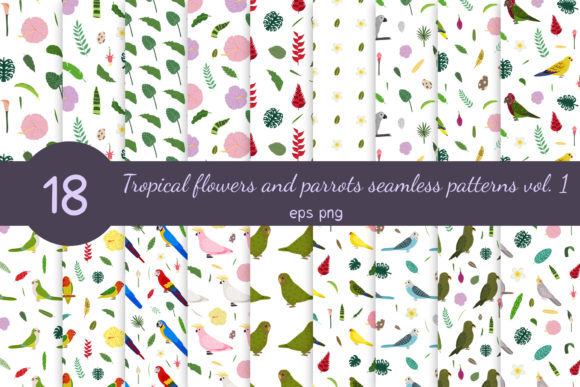
At its core, this pattern category combines avian subjects—most commonly macaws, cockatoos, and parakeets—with botanical elements like monstera leaves, hibiscus blossoms, bird of paradise flowers, palm fronds, and orchids. The arrangement can range from dense, wallpaper-style repeats to sparse, placement-focused compositions used on single product surfaces.
The strongest examples share a few consistent traits. First, they use a deliberate color strategy. Tropical palettes tend toward high contrast: emerald greens against coral pinks, cobalt blues next to mango oranges. This isn't accidental. These combinations mirror the actual ecosystems where these species exist, which gives the patterns an underlying sense of authenticity even when stylized. Second, the scale matters enormously. Oversized motifs create drama and work well for statement pieces. Smaller, tighter repeats read as more traditional and lend themselves to textiles, stationery, and background textures.
You'll also notice that the best parrot and tropical flowers patterns balance realism with interpretation. Photorealistic renderings can feel dated quickly, while completely abstract versions lose the recognizable charm. The sweet spot sits somewhere in the middle—enough detail to identify the species, enough artistic liberty to keep the composition fresh.
Why These Patterns Resonate Across Audiences
There's an interesting psychological layer here that gets overlooked in trend reports. Parrots and tropical flowers patterns tap into something deeper than a seasonal color preference. They reference travel, warmth, biodiversity, and a slower pace of life without being literal about it. For someone working in a grey office park in February, a notebook covered in these motifs delivers a micro-dose of sensory relief. That's not trivial—it's functional emotional design.
Brands have caught on. Hospitality groups use parrot and tropical flowers patterns in lobby wallpapers and upholstery to signal relaxation and approachable luxury. Wellness brands incorporate them into packaging to evoke natural ingredients and vitality. Fashion labels deploy them seasonally to inject energy into collections without abandoning sophistication. The pattern works because it's flexible enough to be dialed up for maximalist statements or dialed back for subtle accents.
Interior Design and Home Decor
This is where parrot and tropical flowers patterns have the longest track record. Wallpaper remains the obvious application—powder rooms, accent walls, and boutique retail interiors benefit enormously from the immersive quality these patterns provide. But the more interesting applications have moved beyond walls. Upholstered headboards, ceramic tile backsplashes, shower curtains, and even laminated furniture surfaces now feature these motifs.
One practical observation: if you're specifying these patterns for a client project or personal renovation, pay attention to the repeat size and room proportions. A large-scale parrot and tropical flowers pattern in a small powder room can feel enveloping in a good way. That same pattern across a sprawling open-plan living area might overwhelm. Designers often solve this by using the pattern on a single focal element—a pair of armchairs, a rug, or drapery panels—while keeping surrounding surfaces neutral.
Fashion and Apparel
The fashion industry's relationship with parrot and tropical flowers patterns has evolved considerably. What started as vacation-shirt novelty has matured into year-round ready-to-wear. Contemporary brands are printing these motifs on silk twill dresses, technical nylon outerwear, knit sweaters, and accessories ranging from scarves to sneakers.
The shift reflects a broader acceptance of pattern in professional and semi-formal contexts. A blazer lined with a subtle tropical floral print reads as considered rather than casual. A silk necktie featuring miniature parrots among foliage becomes a conversation starter without veering into costume territory. Stylists and buyers have learned that the key lies in context—pairing these patterns with solid neutrals and structured silhouettes keeps the overall look grounded.
Branding, Packaging, and Visual Identity
Small-to-medium brands in food and beverage, beauty, and lifestyle sectors have been particularly adept at using parrot and tropical flowers patterns to differentiate themselves. A craft soda label, a cold-brew can, a natural deodorant tube—these are surfaces where shelf appeal determines purchase decisions in seconds. The pattern signals freshness, natural origin, and a certain creative confidence.
There's a practical consideration here for marketers and brand strategists. Parrot and tropical flowers patterns carry strong semantic associations. If your product genuinely connects to tropical ingredients, warm-climate sourcing, or botanical authenticity, the pattern reinforces that story. If the connection feels forced, consumers pick up on the disconnect. The pattern works hardest when the visual message aligns with the product truth.
Digital and Interactive Media
Website backgrounds, social media templates, app splash screens, and digital invitation suites have all absorbed this aesthetic. The advantage in digital contexts is flexibility. A parrot and tropical flowers pattern can be deployed as a full-bleed hero image, a subtle overlay on product photography, or a branded texture behind text blocks. Opacity adjustments, color grading, and animation add further dimensions that static print applications can't achieve.
UX designers should consider load performance when using high-detail tropical patterns online. The intricate linework and color gradients that make these patterns beautiful also increase file sizes. Compressed SVGs, smart cropping, and CSS-based pattern repeats can preserve visual impact without sacrificing page speed—an increasingly important factor for both user experience and search performance.
Education and Creative Learning
Teachers, content creators, and educational publishers have found unexpected value in parrot and tropical flowers patterns. They appear in classroom decor, worksheet borders, presentation templates, and children's activity books. The biodiversity angle provides a natural bridge to lessons about ecosystems, conservation, and geography. A pattern isn't a lesson plan, but it can set a thematic tone that primes curiosity.
For creative professionals who teach—workshop facilitators, online course creators, tutorial authors—these patterns serve as accessible design prompts. They're complex enough to challenge beginners working on color theory and composition, yet forgiving enough that experimentation feels low-stakes.
Selecting and Evaluating Patterns for Your Project
Not all parrot and tropical flowers patterns are created equal, and the selection process deserves more attention than it typically receives. Start by examining the artwork quality. Look for clean linework, intentional color relationships, and botanical accuracy where it matters. Sloppy illustration undercuts the sophistication the pattern is meant to convey.
Licensing is another practical factor. Many parrot and tropical flowers patterns are available through stock platforms, independent artist marketplaces, and design asset libraries. Check usage rights carefully—some licenses restrict commercial applications, print run quantities, or digital distribution. If you're building a brand identity around a specific pattern, commissioning exclusive artwork may be worth the investment to avoid seeing your visual signature appear on a competitor's packaging six months later.
Consider longevity, too. The tropical trend has shown remarkable staying power, but specific color palettes and stylistic treatments can date. Patterns that lean too hard into a single moment's aesthetic—overly muted pastels from the mid-2010s, for instance—may feel tired faster than those with more timeless color construction. When in doubt, prioritize patterns with clear contrasts, naturalistic hues, and compositions that don't rely on gimmicks.
Implementation Tips That Make a Difference
Scale testing is non-negotiable. A pattern that looks balanced on a screen mockup can feel completely different when printed at actual size on fabric or wrapped around a three-dimensional product. Order samples, print proofs, and view the pattern under the lighting conditions it will actually live in. What glows in a brightly-lit studio might look muddy in a restaurant dining room or a living room corner.
Color matching across materials presents another challenge. The same parrot and tropical flowers pattern printed on coated paper, uncoated cardstock, cotton fabric, and a digital display will read differently each time. Working with a production partner who understands color management across substrates helps close these gaps before they become expensive problems.
Finally, don't underestimate the power of restraint. The most impactful uses of parrot and tropical flowers patterns often involve strategic placement rather than saturation. A single upholstered ottoman in a neutral room. A branded belly band on an otherwise minimal package. A hero image that scrolls away as the user engages with content. The pattern makes its point and then steps back, leaving a distinct impression without exhausting the viewer.